If you own a leather bag and a pair of suede boots, there's a good chance you've thought about cleaning one of them at some point and just grabbed whatever product was nearby. It's an easy mistake. They look similar, they're often sold in the same section of the store, and the care tags don't exactly hand you a step-by-step guide.
But leather and suede cleaning are two completely different situations. The same product that keeps your leather jacket soft can permanently stain your suede Chelsea boots. Knowing why that happens starts with understanding what these two materials actually are.
Here's the question that piques the curiosity of most people: is suede the same as leather? Technically, yes. But that answer needs context, because it's the reason people keep making mistakes with both.
Both materials come from animal hides. The difference between suede and leather is the part of the hide that gets used. What we typically call "leather" uses the outer surface, the tougher, grain side that's been finished and sealed. Suede is made from the inner layer of the hide, where the fibers are softer, shorter, and untreated. That inner surface is what gives suede its signature velvety feel.
| Fabric | Shrinkage Risk | Can You Unshrink It? | Notes |
|---|---|---|---|
| Cotton or Cotton Blend | High | Yes | Best candidate. Soak and stretch works well for light to moderate shrinkage. |
| Wool (not felted) | High | Possibly | Works if caught early, before fibers lock. Test by pulling gently first. |
| Wool (felted) | Permanent | No | Dense, stiff texture means fibers are locked. Home methods will not help. |
| Rayon or Viscose | Very High | Difficult | Fibers stiffen and misshape. Try the method, but manage expectations. |
| Synthetics (polyester, nylon) | Low to Moderate | Depends | If heat fuses at fiber level, damage is permanent. Try the soak method first. |
| Silk, Cashmere, or Structured Pieces | High | Skip the DIY | Go straight to a professional dry cleaner for best results. |
This is not a small distinction. It determines whether or not your item survives a spill.
Leather's sealed outer surface acts as a barrier. Water beads on it. Light dust sits on top of it. A damp cloth can wipe away most surface grime without penetrating the material at all. That's the advantage of that smooth, finished grain.
This makes leather relatively forgiving for at-home maintenance:
The tradeoff is that once the sealed surface is compromised, cracked from dryness, scratched from rough handling, or damaged from the wrong cleaner, the damage is structural and visible. Leather that dries out loses its flexibility and starts to crack from the inside out. The conditioner helps prevent that, but it can't fully reverse it once it happens.
The rule for leather: It's more forgiving to clean, but you have to protect that surface layer. Once the grain is compromised, the damage is permanent.
Suede has no sealed surface. That velvety nap you can feel is essentially thousands of tiny fibers, all standing upright and completely exposed to whatever comes into contact with them. Water, oil, dirt. All of it gets absorbed directly into those fibers rather than sitting on top.
| Substance | What It Does to Suede |
|---|---|
| Water | Causes permanent dark spots. The nap dries at different angles, creating visible marks and stiffening. |
| Body oil from handling | Transfers almost immediately. Darkens the contact area and gets worse with repeated touching. |
| Liquid stains (coffee, wine, juice) | Absorbs instantly into the fibers. Wiping pushes the stain deeper rather than removing it. |
| Household cleaners | Strip dye, mat the nap, and often leave their own visible residue on the surface. |
| Leather conditioner (used by mistake) | Clogs the nap, weighs down the fibers, and causes permanent darkening. The suede won’t feel soft. It’ll feel greasy and look stained. |
Unlike leather, you can't simply wipe down suede. Rubbing it with a cloth in the wrong direction can mat those fibers flat in a way that doesn't brush back out easily. Proper suede care requires:
People assume suede is delicate in a "handle with care" sort of way. It's more specific than that. Suede requires the proper tools and the right techniques, or you'll make the problem worse, not better.
Living in Goodyear, Arizona adds a layer to this conversation most care guides don't mention.
Fine desert dust is particularly aggressive on suede. The particles are smaller than typical urban dust, which means they work deeper into the nap with each step you take. On smooth leather, that same dust sits on the surface and wipes off. On suede, it embeds. Regular brushing matters more here than it would in a humid coastal city.
The dry heat creates a split outcome:
For leather, it's mostly good news. Low humidity means lower mold and mildew risk, which is one of the biggest threats to leather in more humid climates. The one concern: extremely dry air dehydrates leather faster than average. If your leather pieces live in a car that sits in the Arizona sun or near a window with direct desert heat, condition every three to four months instead of the standard six.
For suede, it's a different story. The fibers in the nap need some natural moisture to stay pliable. Arizona's heat draws out that moisture faster than it would in other climates, causing the nap to stiffen and eventually crack with enough exposure.
For Goodyear suede owners specifically: Brush more frequently than care guides written for humid climates suggest. After every few wears, not once a month. And store suede pieces away from direct heat and sunlight. A closet interior is better than a shelf near a window.
This is the information that matters most practically. If you own leather and suede items, you need two separate care kits. There is no crossover.
Leather conditioners contain oils and solvents designed to penetrate and soften a sealed surface. Applied to suede, those same oils clog the nap, weigh down the fibers, and cause permanent darkening. On the other side, suede sprays and erasers are formulated for porous, napped surfaces. On smooth leather, they can leave a dull residue on the sealed grain, dulling the finish and creating uneven spots.
Here's the full breakdown:
| Product | On Leather | On Suede |
|---|---|---|
| Leather conditioner | ✅ Correct use. Moisturizes and protects the grain. | ❌ Clogs the nap and darkens the material permanently. |
| Leather cleaner spray | ✅ Designed for sealed surfaces. | ❌ Leaves residue that mats the nap and changes the texture. |
| Suede brush | ❌ Can scratch the sealed leather surface. | ✅ Correct use. Lifts the nap and removes surface dust. |
| Suede eraser | ❌ Leaves crumbly residue on smooth leather. | ✅ Correct use. Buffs out scuffs and light marks. |
| Suede protector spray | ❌ Leaves a film on the leather finish. | ✅ Adds temporary water and stain resistance to the nap. |
The chemistry that helps one material is the exact chemistry that harms the other. Using the wrong product isn't just ineffective. It causes the kind of damage that's difficult or impossible to reverse.
For anyone who owns both types of items, professional leather and suede cleaning is often the simpler solution. A cleaner who handles both materials uses the right method for each, without any guesswork on your part.
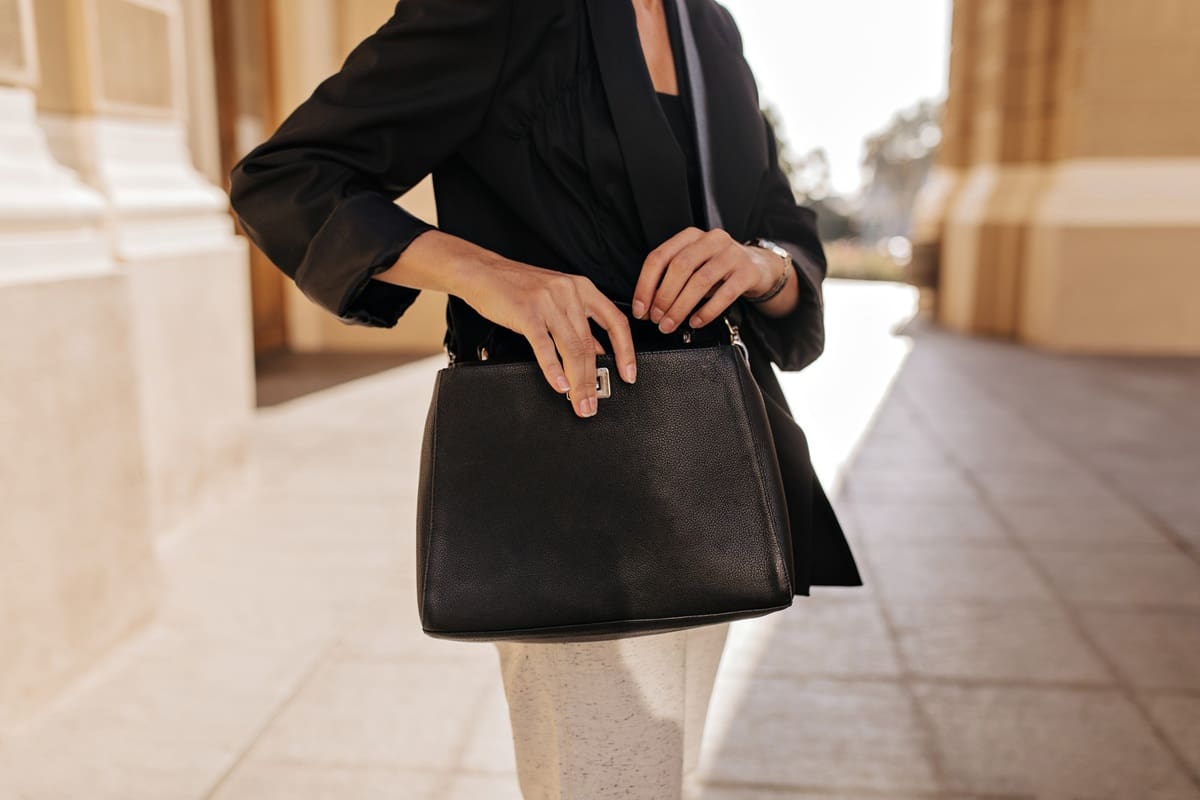
Whether it's a leather jacket that needs conditioning or suede boots that pick up desert dust all season, Galaxy Cleaners handles both leather and suede with material specific methods. Bring in either one material. We'll treat it the way it's supposed to be treated.
Don't wait until the damage gets worse. Bring your leather or suede item to Galaxy Cleaners and let us restore it properly.
📍 Surprise, AZ: (623) 303-4881
📍 Goodyear, AZ: (623) 343-7080